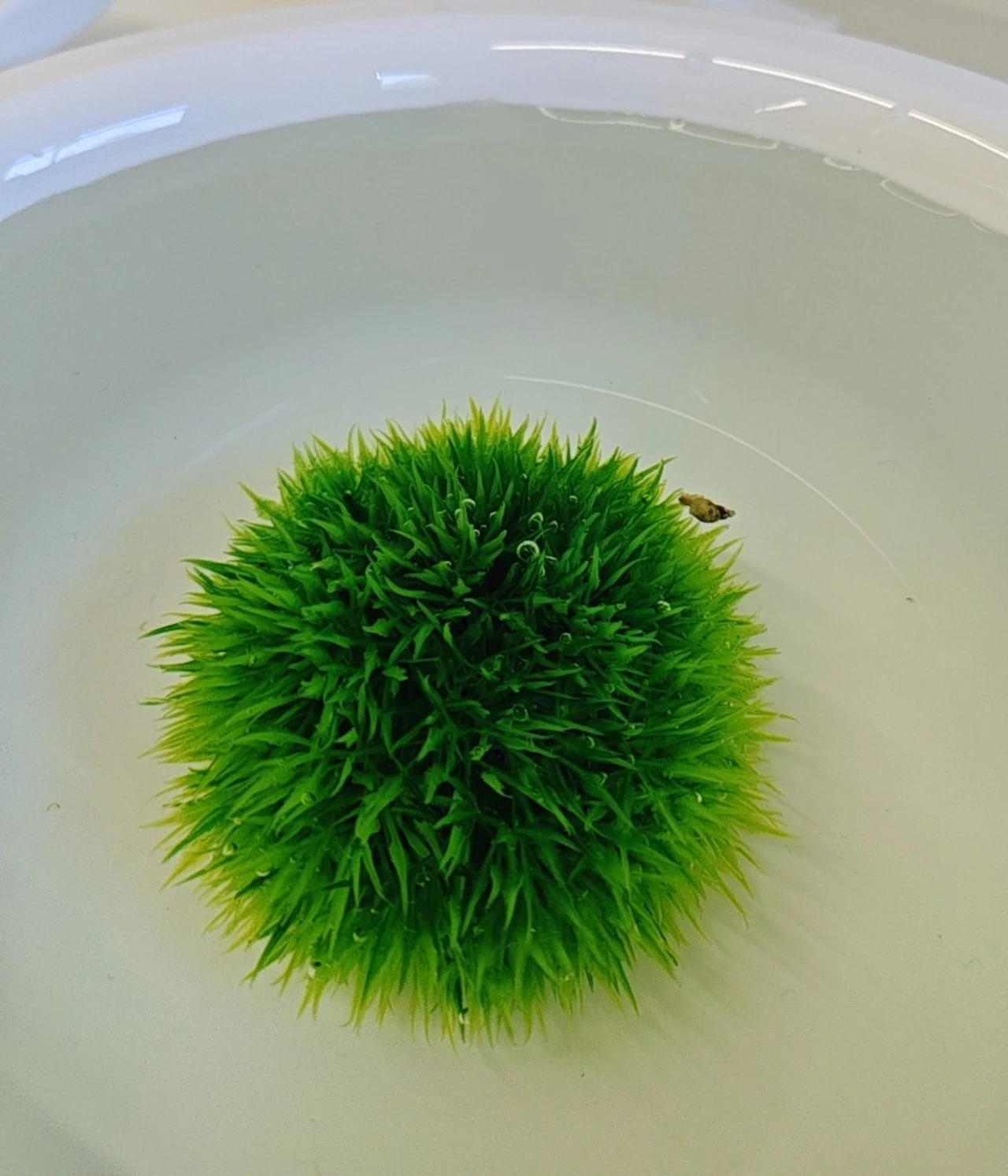
Research

Responses depend on context. And on timing.

I study how organisms respond, interact and evolve in changing environments—and how we can predict what happens next.

Experiments · Synthesis · Forecasts · Models

How my research
fits together.

Explore four connected strands. Zoom into a question, then step back to see its place in the wider programme.

The connecting question

What shapes a response—and what follows from it?

I connect what organisms do with the conditions they experience, the species around them and the resources they use. Experiments reveal responses; frameworks and models help explain them; forecasting tests what we can predict.

Observe & testBehaviour, defence and responses to multiple stressors.
Explain & connectExposure history, feedbacks and the limits of evidence.
Predict & assessEcological forecasts and the consequences of interacting threats.

Illustrations explain research ideas; they do not show measured results. The lake photograph comes from my defence presentation.
Pond snail photo: Peter Pfeiffer · CC BY-SA 4.0

Organisms under multiple pressures

What changes when pressures act together?

An animal exposed to a chemical still has to feed, grow and respond to predators. I use controlled experiments to ask how these demands interact, and whether measuring survival alone misses changes in the way organisms function.

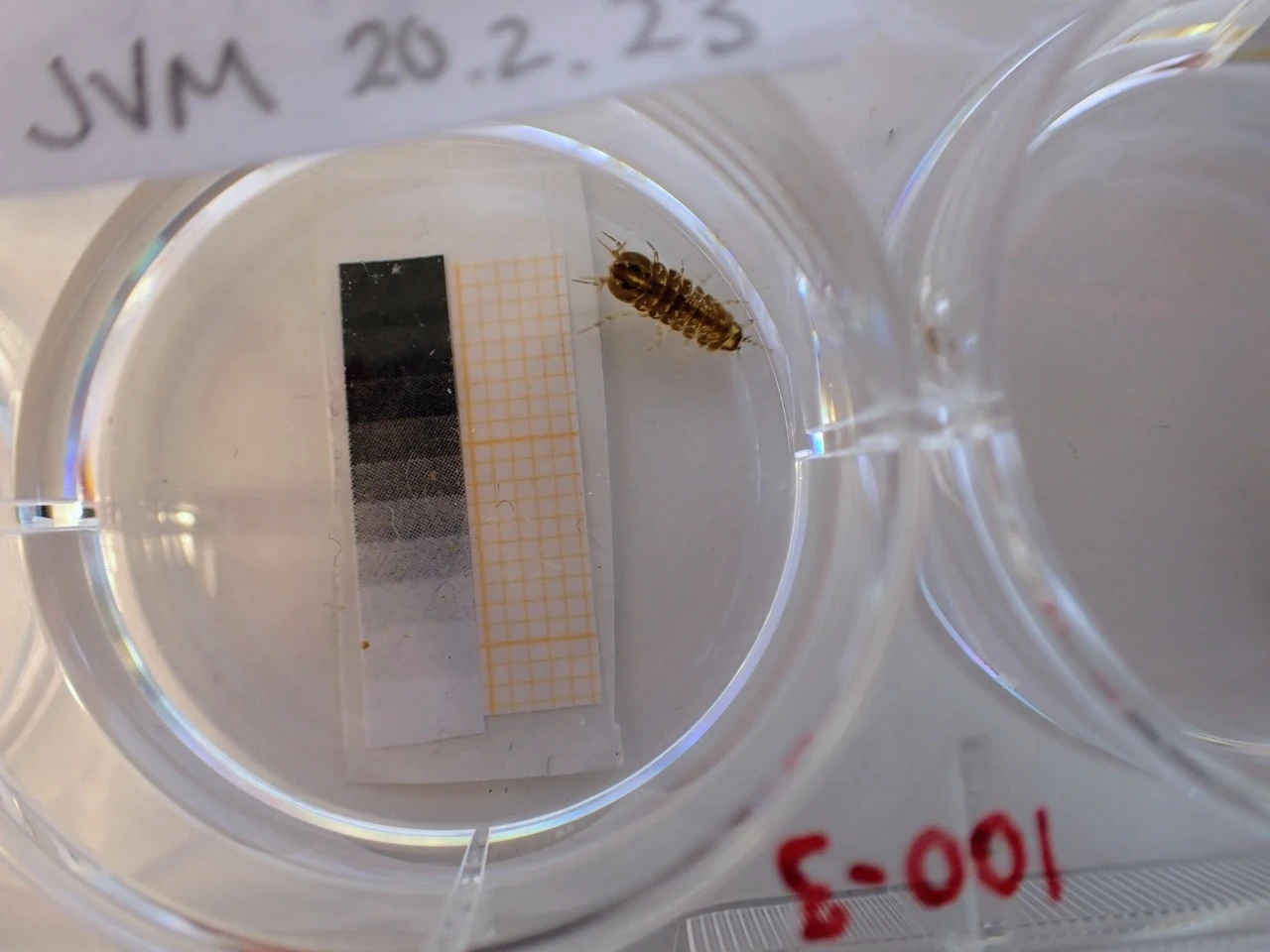
With Asellus aquaticus, a freshwater detritivore that feeds on decomposing plant material, we separated waterborne and diet-mediated fungicide exposure. Both routes affected feeding, while growth and pigmentation responded differently. A later experiment combined fungicide exposure with predator experience and found changes in feeding and responses to predator cues. These are measured effects on organisms and leaf consumption; wider food-web consequences remain a question.

My current work with Lymnaea stagnalis, the great pond snail, asks how refuge structure shapes responses to tench-conditioned water. This connects to a developing programme on defence against predators and parasites, including the possible costs of responding to more than one enemy.

Factorial experiments · Behaviour · Feeding and performance

Ongoing workRefuge structure and responses to predator cues

Freshwater study systems

The organisms behind
the questions.

Detritivores, snails and their predators connect the experiments. These photographs introduce the organisms; the laboratory footage below comes from my own work.

Asellus aquaticus showing its segmented body, antennae and walking legs against green aquatic vegetation.
Asellus aquaticusFreshwater detritivore

The focal species in my studies of fungicides, predation risk and recovery.

Photo: Peter Pfeiffer · CC BY-SA 4.0
A great pond snail, Lymnaea stagnalis, with its body and tentacles extended over green algae.
Lymnaea stagnalisGreat pond snail

My current study system for refuge use and responses to natural enemies.

Photo: Peter Pfeiffer · CC BY-SA 4.0
Underwater close-up of a southern hawker dragonfly larva, Aeshna cyanea, in an aquarium, showing its head, eyes and forelegs.
Aeshna cyaneaDragonfly larva

An aquatic predator. Dragonfly larvae feature in my work on predation risk.

Photo: Yami no Yami · CC BY-SA 3.0
A tench, Tinca tinca, swimming above rocks in an aquarium.
Tinca tincaTench

The source of fish cues in my current experiments on snail behaviour.

Photo: Mattia Nocciola / Natural History Museum of the University of Pisa · CC BY-SA 4.0
Image credits and adaptations

The photographs above are resized and encoded as JPEG and WebP. Their original licences apply to these copies. The dragonfly photograph is an underwater close-up, trimmed to match the other 3:2 frames. The tench source was previously cropped by Marta Arosio (WMIT). Photographer, source and licence links appear with each image.

From the laboratory

A moment
beneath the surface.

Watching organisms closely is where questions about behaviour begin.

Original footage · Akshay Mohan
16-second observationSnails move below while a dragonfly larva watches from the vegetation above. Filmed by Akshay Mohan.

Exposure history, recovery and feedbacks

What remains after conditions improve?

Two organisms in the same environment may have arrived there through very different histories. I design experiments with distinct exposure and recovery periods to test whether earlier conditions continue to affect later performance.

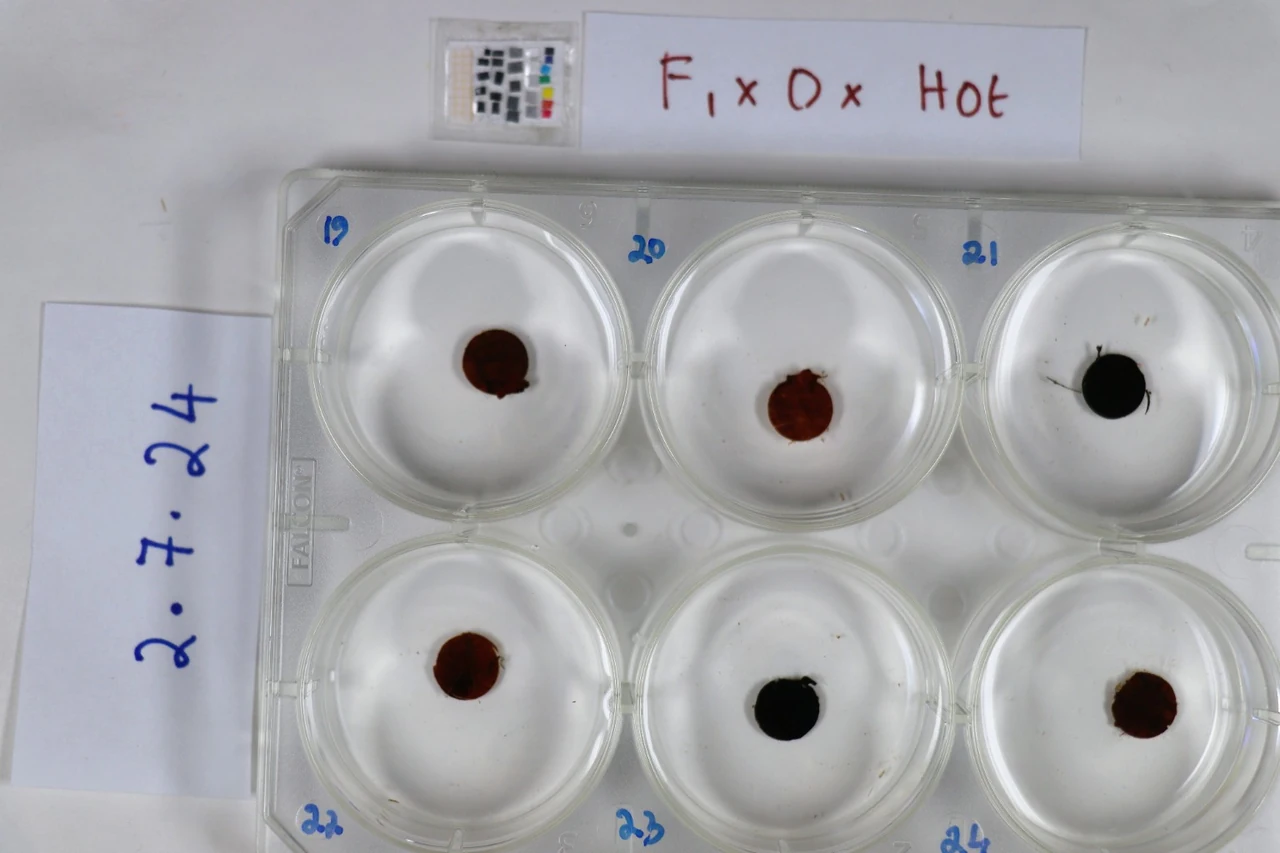
In our seven-week study of juvenile Asellus aquaticus, we followed initial fungicide exposure, a later fungicide–heatwave treatment and recovery in clean water. Fungicide histories were associated with smaller body size, and feeding during recovery was lower after simultaneous chemical and heat exposure than after either alone. The response differed among traits: a heatwave did not intensify every chemical effect.

With collaborators, I am also developing conceptual work on nested feedbacks. The question is when changes in individual condition or population density return to alter a later combined-stressor response. A lasting exposure effect alone does not establish such a feedback. Our illustrative damage-and-repair model explores this distinction; it does not simulate genetic evolution.

Exposure sequences · Recovery measurements · Conceptual models

Ongoing workReturn pathways between individuals and populations

Evidence and ecological prediction

What does the evidence let us claim?

A useful experiment does more than detect a difference. It helps us decide what that difference supports, which conditions the conclusion covers and what still needs testing. This is the common question behind several strands of my conceptual work.

One project proposes a more explicit workflow for multiple-stressor studies, linking hypotheses, exposure and recovery schedules, comparison models and reporting. Its aim is to make studies easier to compare and interpret; the practical usefulness of this proposed workflow remains to be tested.

My forecasting work asks how predictions based on current measurements should be tested in organisms with different exposure histories. It includes reanalyses of existing experimental datasets. Predictive improvement, practical adequacy and transfer to a new setting are separate questions: little improvement from adding history does not, by itself, show that a forecast is adequate.

Evidence synthesis · Experimental inference · Forecast evaluation

Ongoing workAssessment workflows and forecast validation

Defence and trade-offs

How do predators and parasites shape defence and its costs?

At the University of Innsbruck’s Research Department for Limnology in Mondsee, I am developing an experimental programme with Lymnaea stagnalis. The central question is how predator and parasite threats interact to shape defence, and whether responses to one enemy change the costs of facing another.

The first planned experiment compares four conditions: neither threat, predator risk alone, parasite exposure alone and both together. Repeated measurements of behaviour, condition and infection will be linked to growth, reproduction and survival. This will test whether combined threats produce responses that cannot be explained by the effects of each threat alone. I will also test how the relationships among defence traits change, and which combinations of measurements best predict later performance.

The second planned experiment focuses on timing: predator exposure followed by parasite exposure, the reverse order, and simultaneous exposure. Sequences with and without a recovery interval will test whether earlier threats change later defence options, whether responses recover, and whether costs persist in later performance.

Current refuge and predator-cue work provides the behavioural groundwork. The predator treatments, parasite system and exposure protocols for the combined-threat experiments will be finalised during assay development. These are planned tests, rather than reported findings.

Controlled exposures · Repeated behavioural assays · Recovery · Growth, reproduction and survival

Ongoing workDeveloping predator–parasite experiments, building on current pond-snail behavioural work

From the laboratory

Inside the experiments.

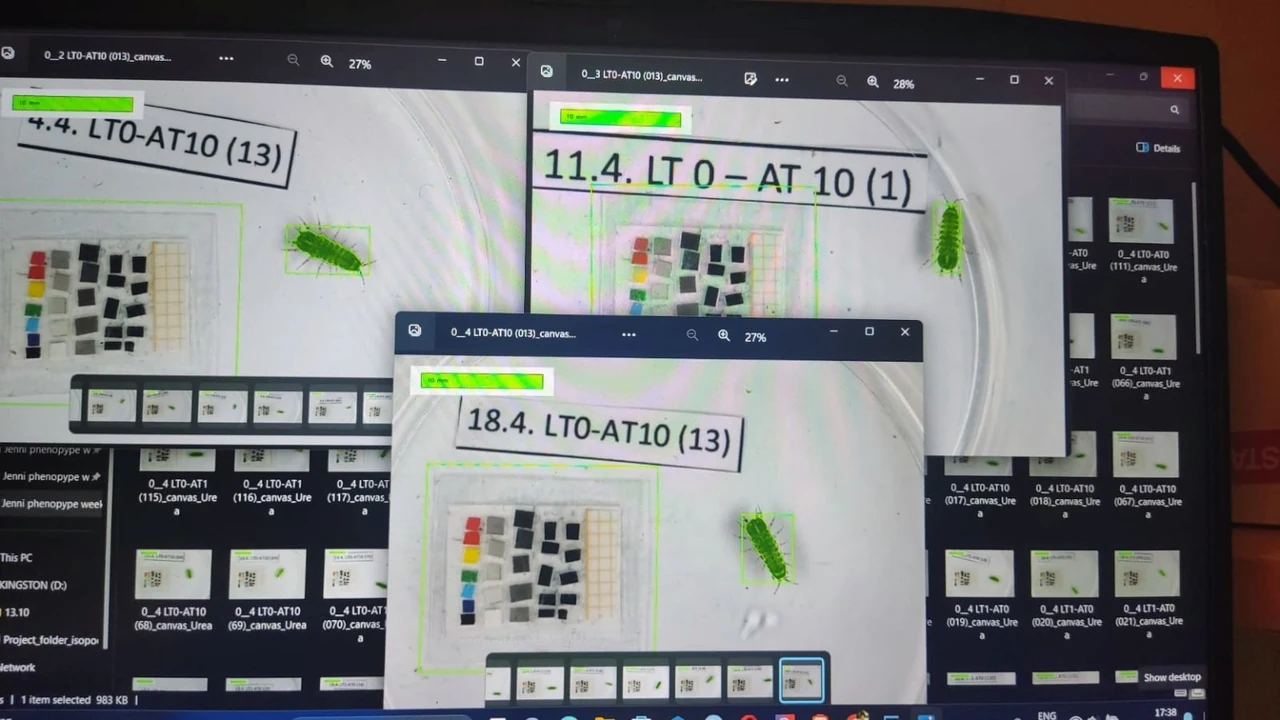
A closer look at how I measure individual animals and study their responses, from image analysis to experiments on shelter use.

Measuring individual responses

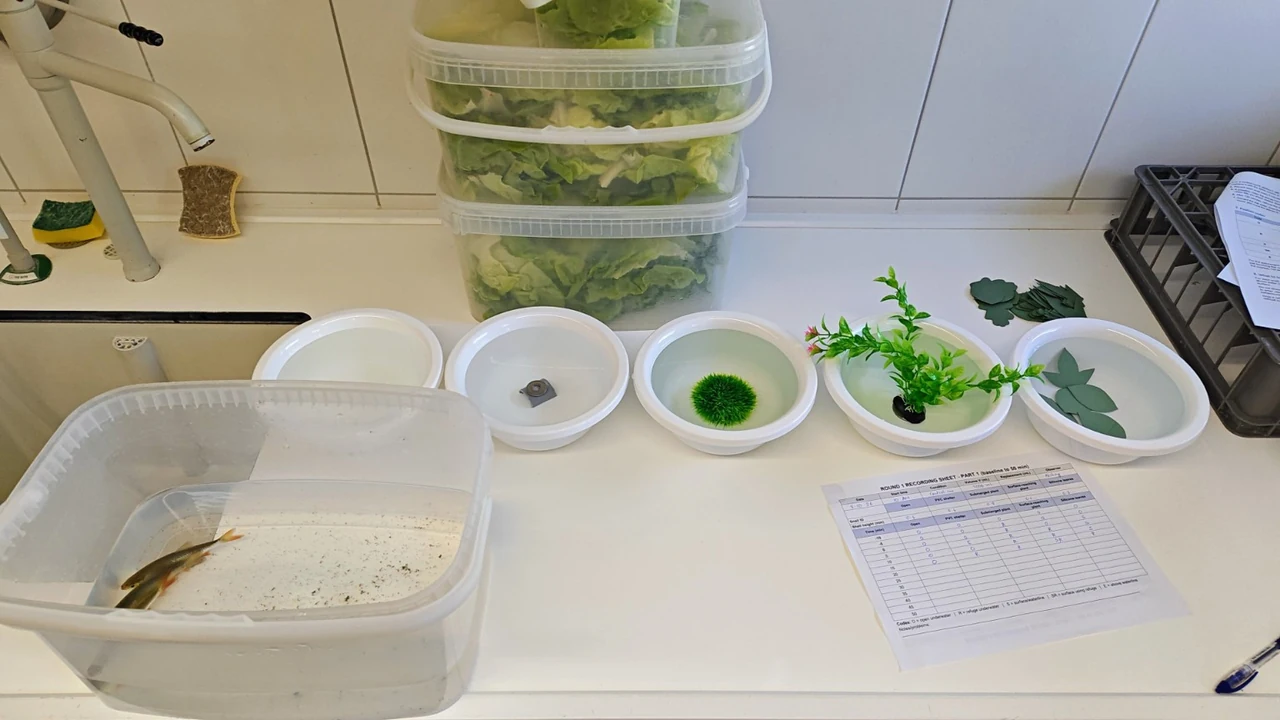
Testing shelter use

In my pond-snail experiments, I compare how animals use different types of shelter, with and without fish cues.

Additional research

Resource dynamics and evolutionary opportunities

Alongside my main research, I am developing consumer–resource models of food timing and physiological diversification. This work compares separate feeding arrangements under explicit assumptions about growth trade-offs, feeding adjustment and food loss.

Food timing and diversification