About & CV
Hi, I’m Akshay.
Ecologist, experimentalist and a curious observer of freshwater life.
I’m Akshay, an ecologist based in Mondsee, Austria. I’m interested in the connections that are easy to miss: between what an animal eats, the predators it encounters, and the conditions it has already lived through. These connections keep bringing me back to a simple question: what do we miss when we study one part of an organism’s life in isolation?
I began my research at IISER Thiruvananthapuram in India, studying life-history trade-offs in butterflies. During my PhD in Jyväskylä, my focus shifted to freshwater life. Working with the small detritivore Asellus aquaticus, I explored how fungicides, predators and heatwaves affect feeding, growth, behaviour and recovery.
Here in Mondsee, I work with pond snails, Lymnaea stagnalis, and ask how animals respond to predators and parasites, including when and how they use shelter. Alongside these experiments, I work on questions about ecological prediction and develop models of how species interact and evolve.
I also care about making the reasoning behind research easier to follow. That runs through my teaching and mentoring, and through Toxic Tales, where I turn studies from across biology into short visual stories. I want someone encountering a study for the first time to leave curious, understand what was tested, and know where to find the evidence.
Background
Research and education

Freshwater experiments have been central to my work, from Jyväskylä to Mondsee.
Postdoctoral Researcher
Predator–parasite ecology, behaviour, ecological forecasting and inference, and developing consumer–resource theory. Working with Otto Seppälä.
Postdoctoral Researcher
Collaborative conceptual work on feedbacks in multiple-stressor ecology.
PhD · Biological & Environmental Sciences
Multi-stressor interactions in freshwater ecosystems: fungicide impacts on a keystone detritivore, and conceptual advances. Supervisors: Katja Räsänen and Blake Matthews.
Integrated BS–MS · Biology
Evolutionary ecology and life-history trade-offs in Melanitis leda. Supervisor: Ullasa Kodandaramaiah.
Lakes & fieldwork
From lake to lab.
My work has taken me from Konnevesi and Jyväsjärvi in Finland to Mondsee in Austria. These photos and short films share some of the places, field days and laboratory observations behind the research.
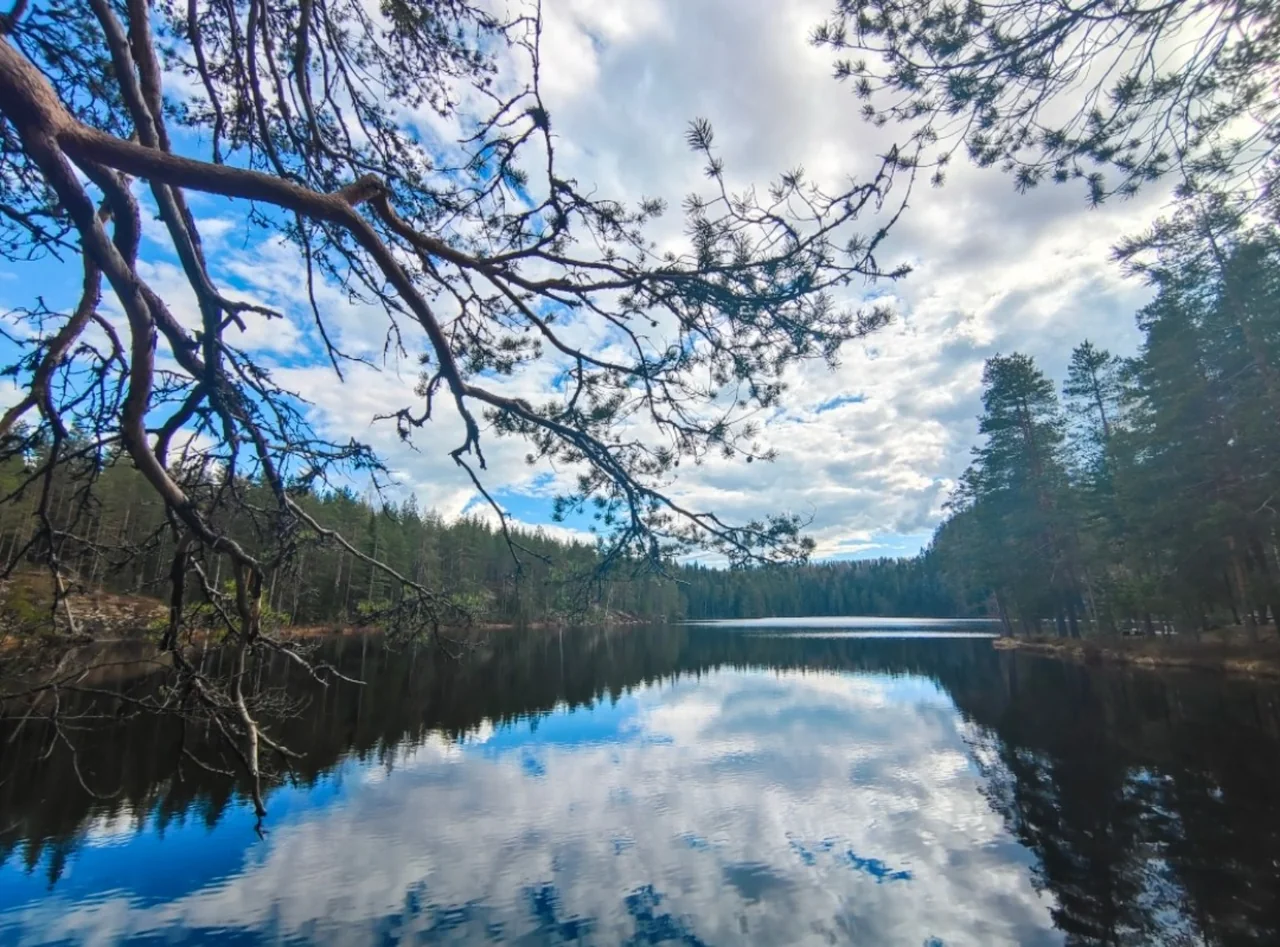
A lake view from my time working in Finland.
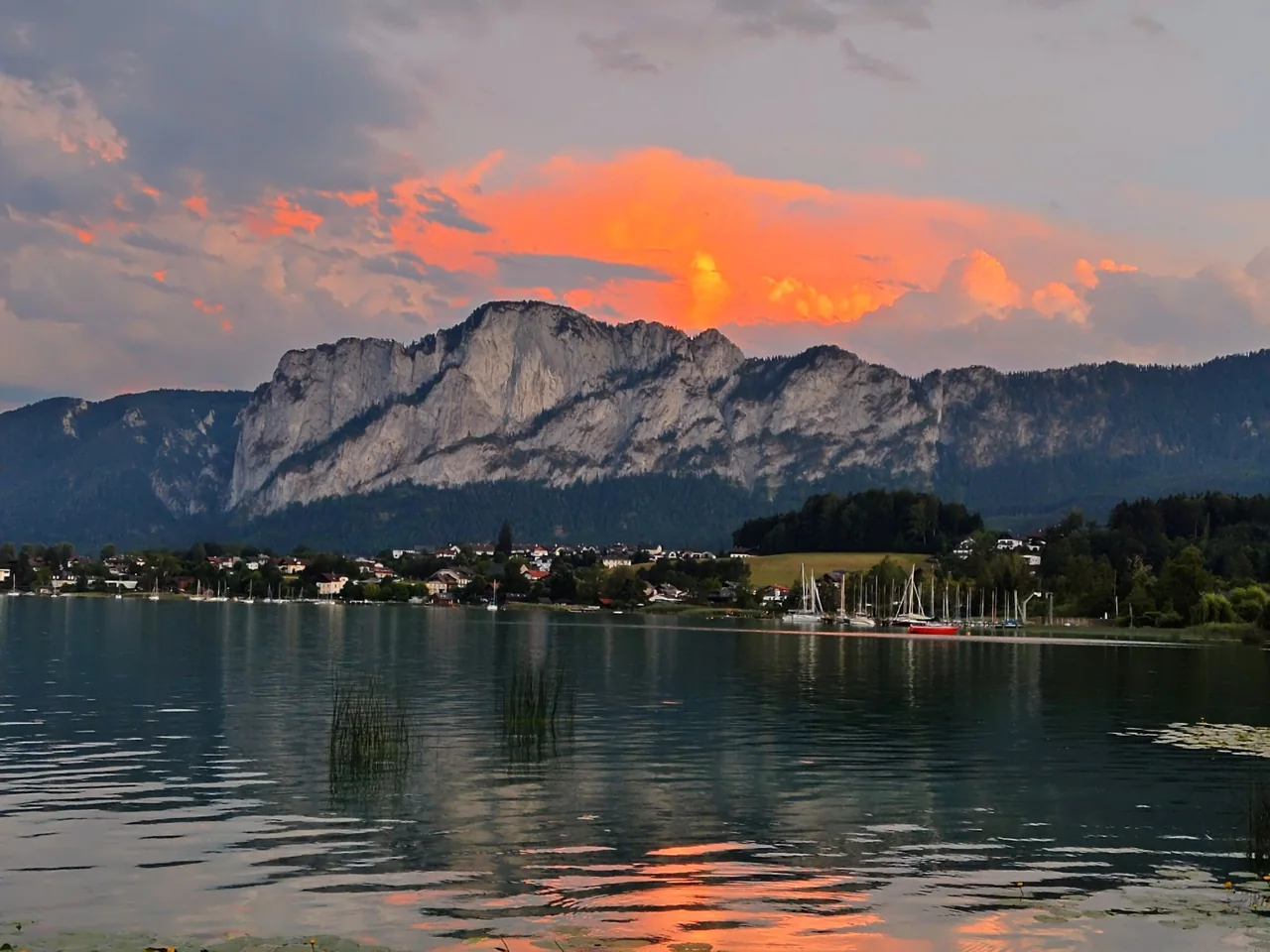
Evening light over Mondsee, where I’m now based.
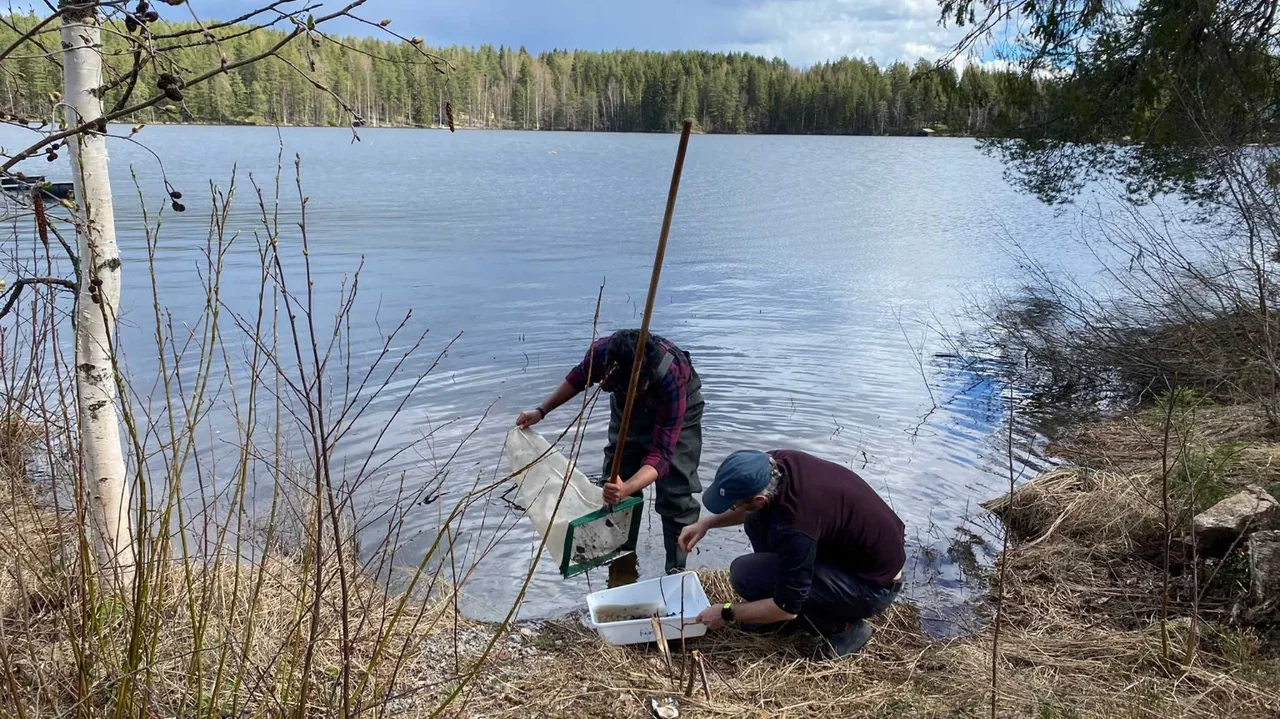
Collecting and checking samples at the lake edge during my work at Konnevesi.
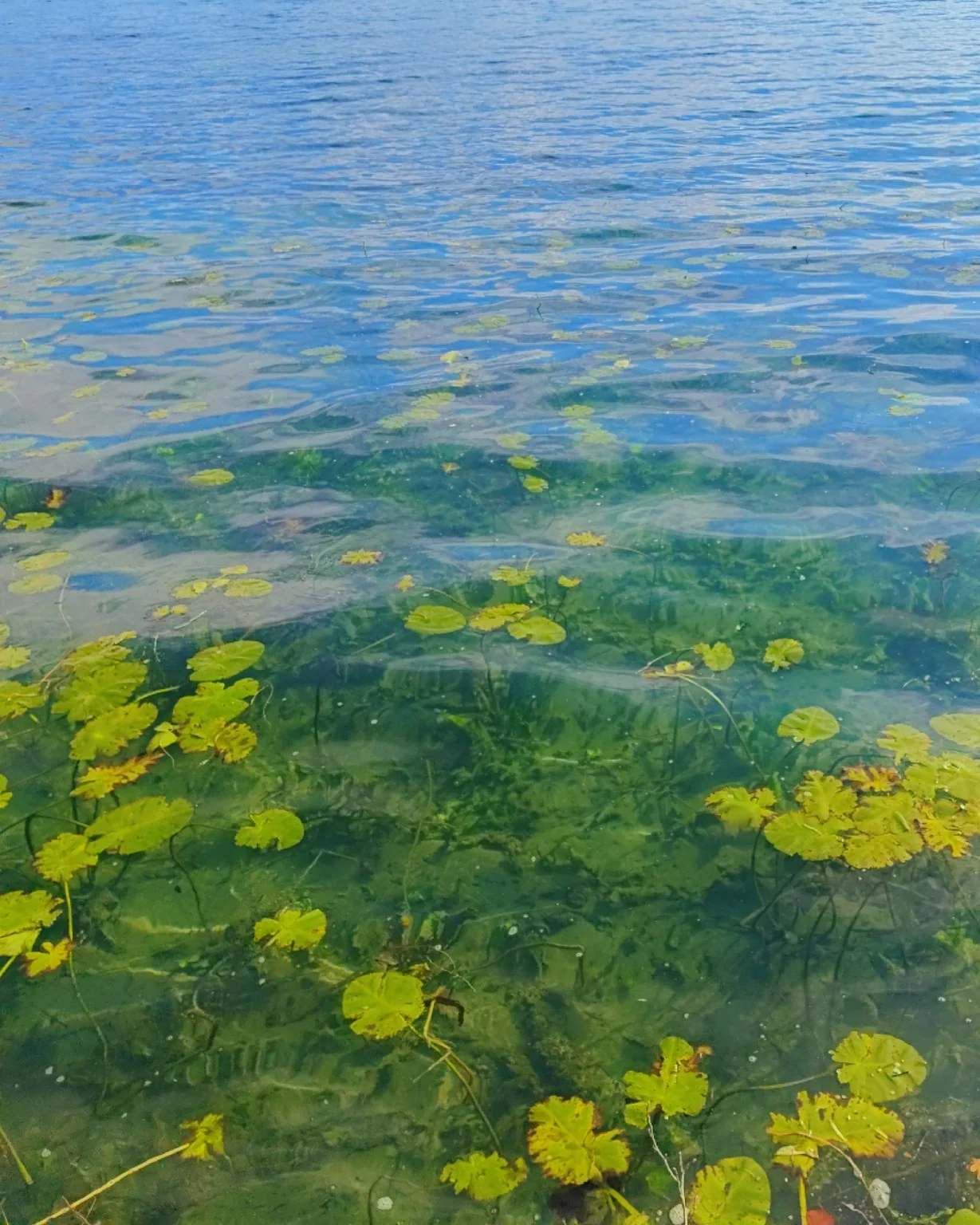
Floating leaves and vegetation beneath the surface at Mondsee. Shelter is also central to my current work on snail behaviour.
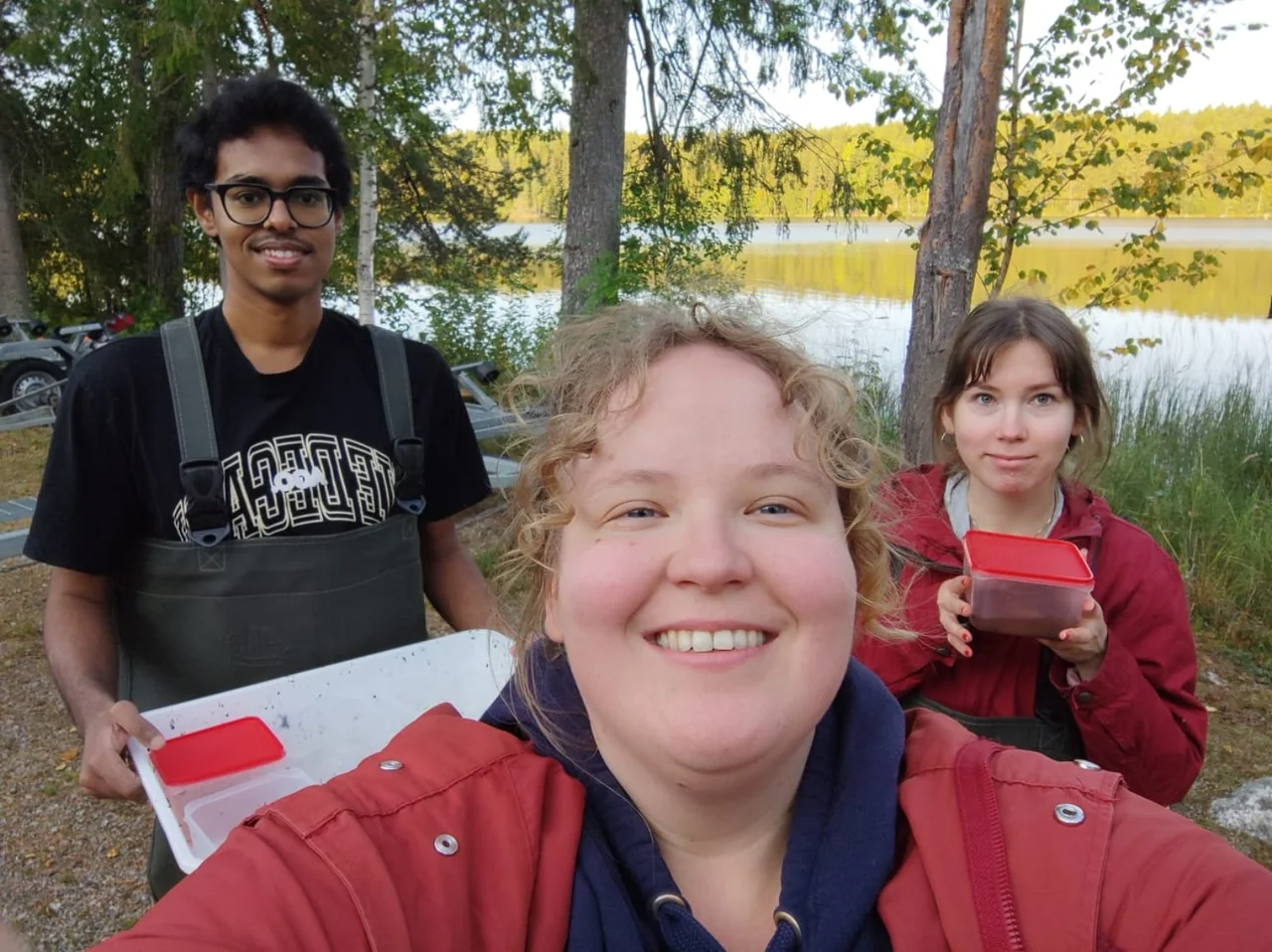
Collecting Asellus at Konnevesi
Collecting Asellus aquaticus at Lake Konnevesi with master’s students Jenni and Inka.
Small moments, closer up.
Short films from the lakeshore and the lab. Choose one to watch.
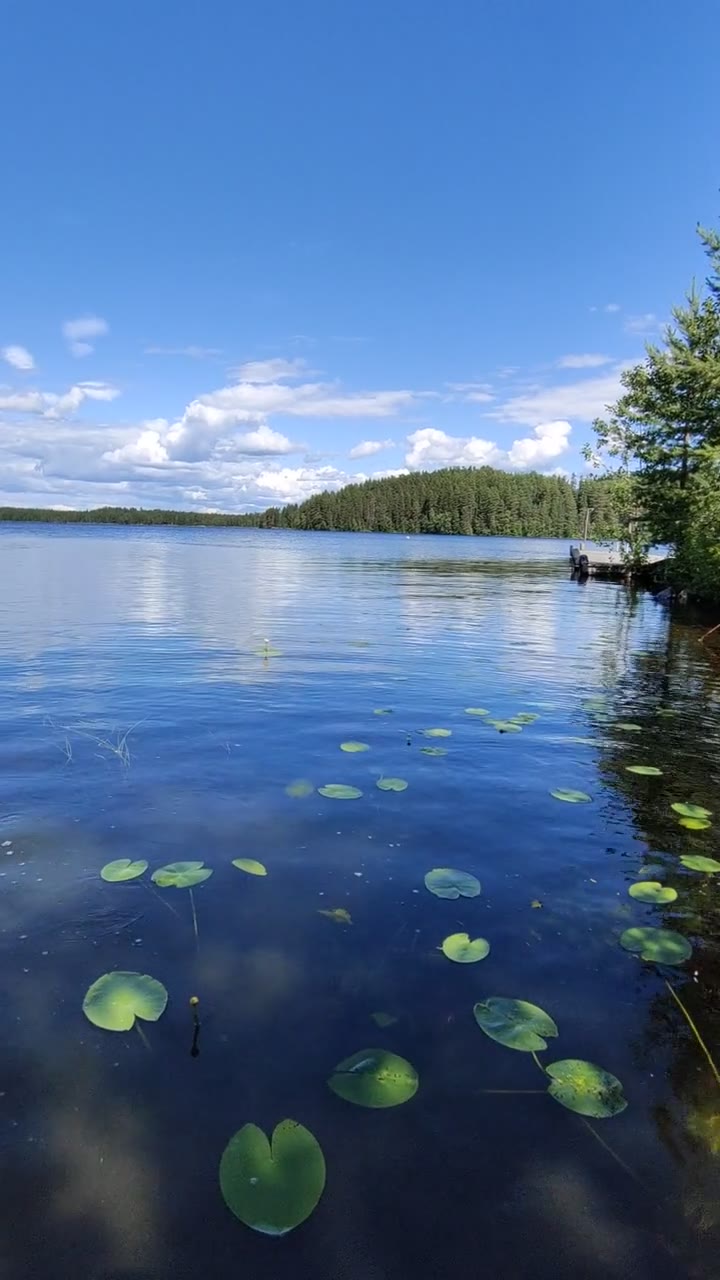
A moment by the water
Looking along the shoreline at Konnevesi during my time in Finland.
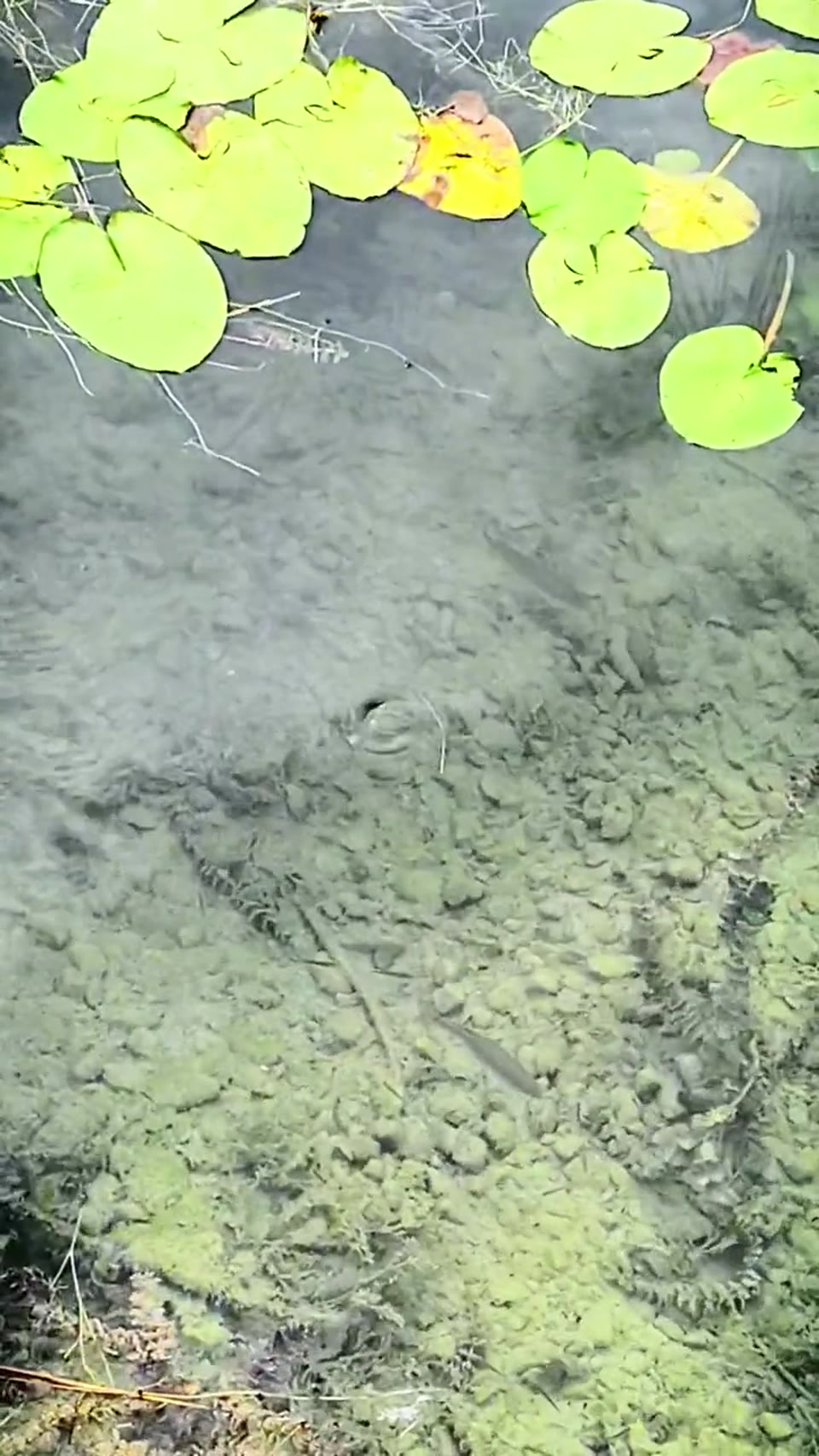
Life in the shallows
A closer look into the shallows at Mondsee, with small fish moving below the floating leaves.
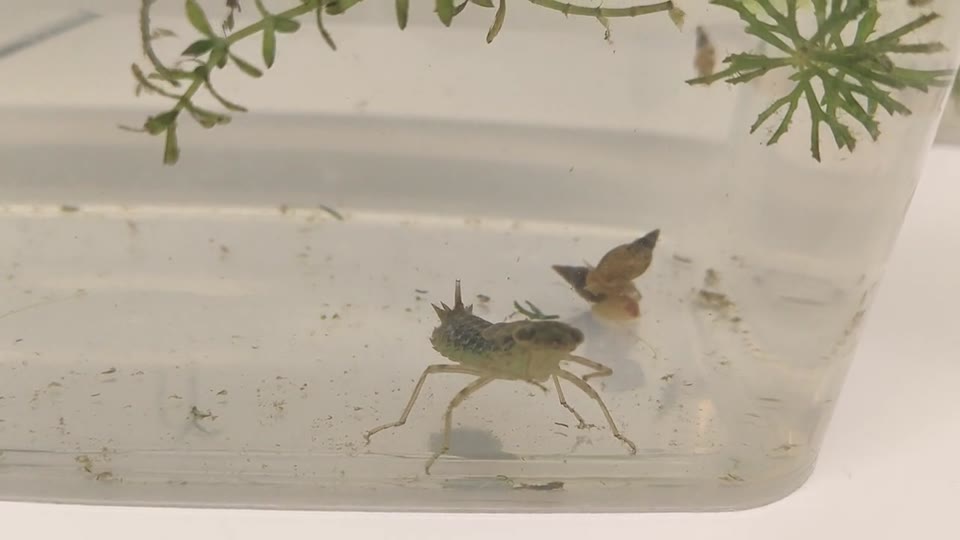
Snails and a dragonfly larva
Snails and a dragonfly larva in the lab—some of the animals behind my questions about predation.
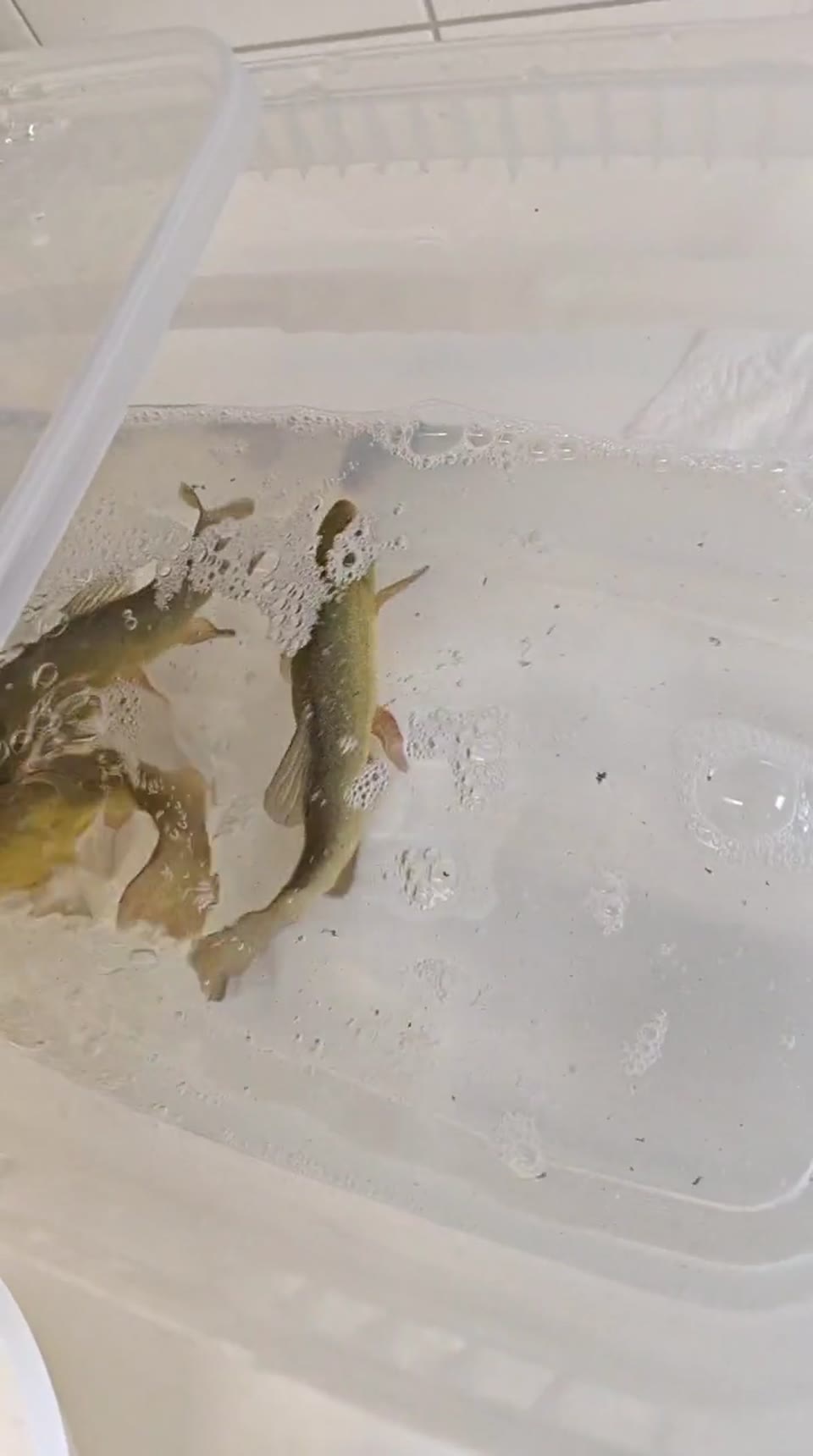
Tench in the lab
Tench in the lab. My snail experiments use fish-conditioned water to study responses to predation risk.
Teaching & mentoring
Learning to ask
and test questions.
- Developed and taught the undergraduate laboratory course Research Methods in Environmental and Water Sciences, covering experimental design and R-based statistics (2024).
- Contributed to course development and teaching for Research methods for natural resources and environment with Katja Räsänen (2022 and 2023).
- Co-supervised three MSc projects and advised four additional BSc/MSc students on image analysis and statistical workflows (2022–2025).
Research in person
Teaching and presenting
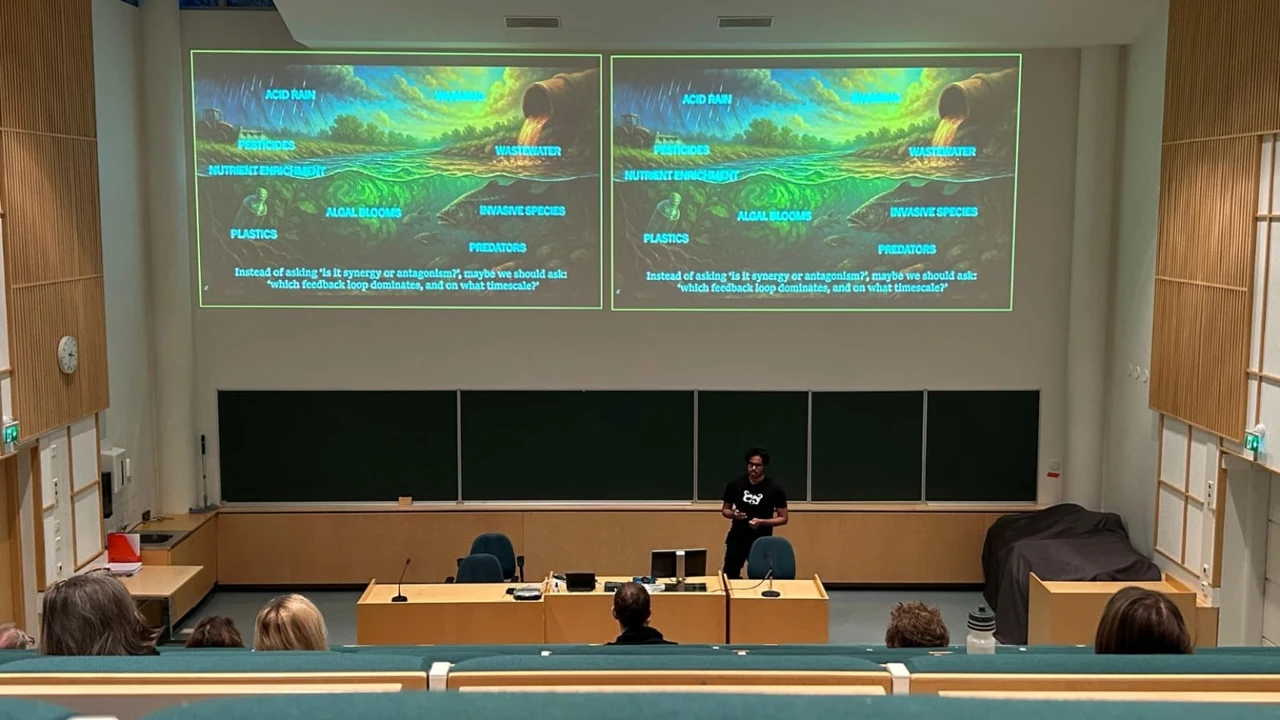
Presenting my research
Presenting my work on how multiple stressors interact in freshwater ecosystems.
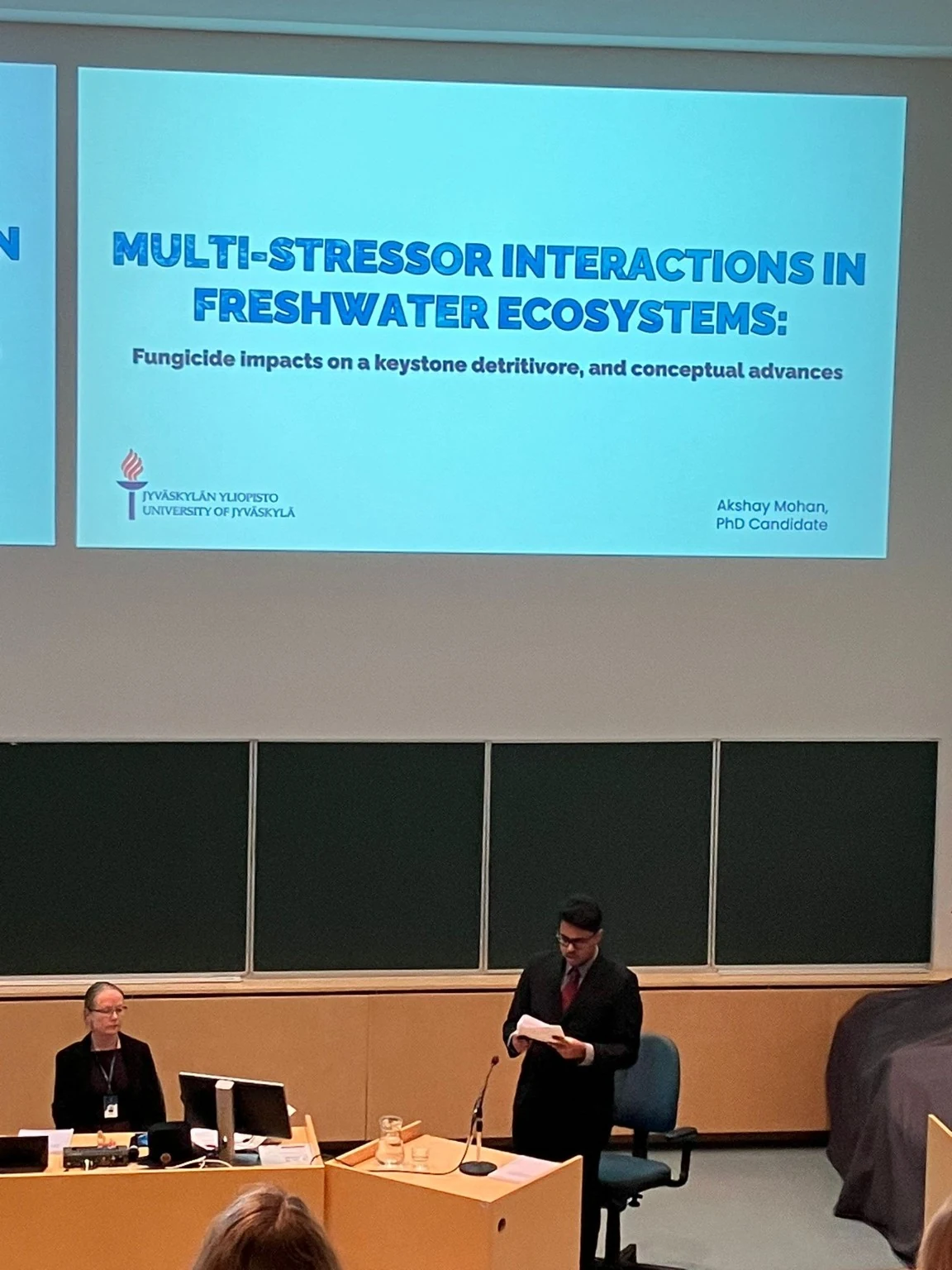
My PhD defence
Defending my PhD at the University of Jyväskylä, bringing together my work on fungicides, Asellus aquaticus and multiple stressors. Supervised by Katja Räsänen and Blake Matthews.
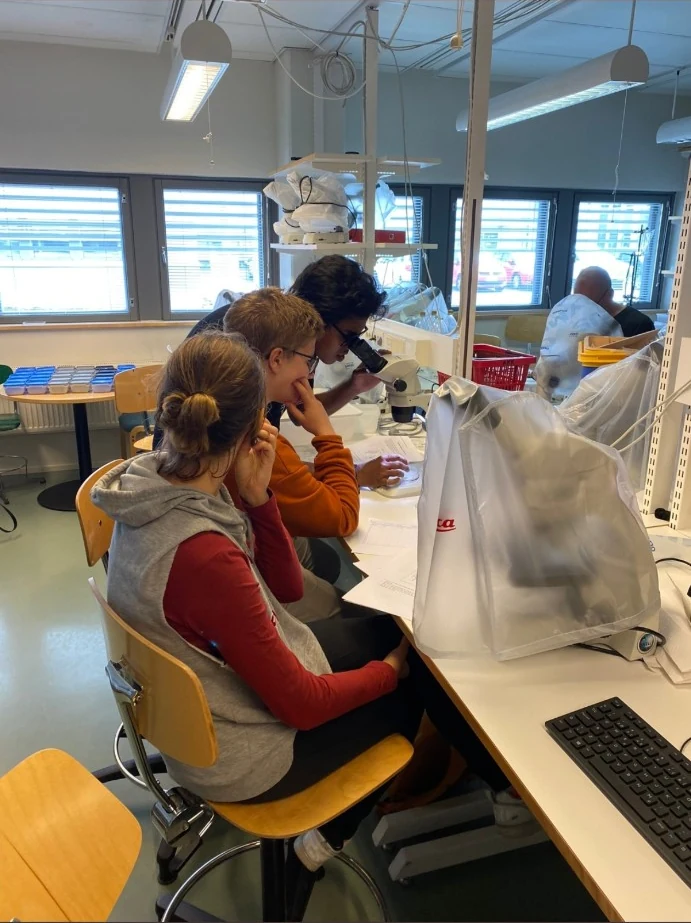
Teaching in the lab
Working through observations at the microscope with students during a laboratory course.
How I work
Methods that serve the question
Experiments through time
Factorial designs, exposure sequences, recovery measurements, climate chambers and freshwater mesocosms.
Behaviour and performance
Image-based phenotyping with Phenopype and ImageJ; video tracking with AnimalTA; feeding, growth and survival assays; aquatic respirometry.
Analysis and modelling
Reproducible R workflows, mixed-effects and survival models, data visualisation, and developing consumer–resource and invasion analyses.
Evidence across scales
Literature synthesis, microbiome analysis and integration of microbial, chemical and invertebrate datasets.